A fan filter unit (FFU) is an important component of many cleanroom air filtration systems. It combines a fan, motore, and high-efficiency filter to deliver filtered air into a controlled environment. Correct operation helps maintain airflow, support cleanroom cleanliness requirements, and reduce unnecessary energy consumption.
Whether you are setting up a new cleanroom or maintaining an existing system, understanding how to operate an FFU is essential. This guide explains the basic startup procedure, operating checks, common problems, and filter maintenance considerations.
How Does a Fan Filter Unit Work?
An FFU draws air from a ceiling plenum, camera, or designated air supply, depending on the system design. The fan moves the air through a HEPA or ULPA filter, which removes airborne particles before the filtered air enters the cleanroom.
The unit’s performance depends on several factors, including fan speed, filter condition, installation quality, and the available air supply.
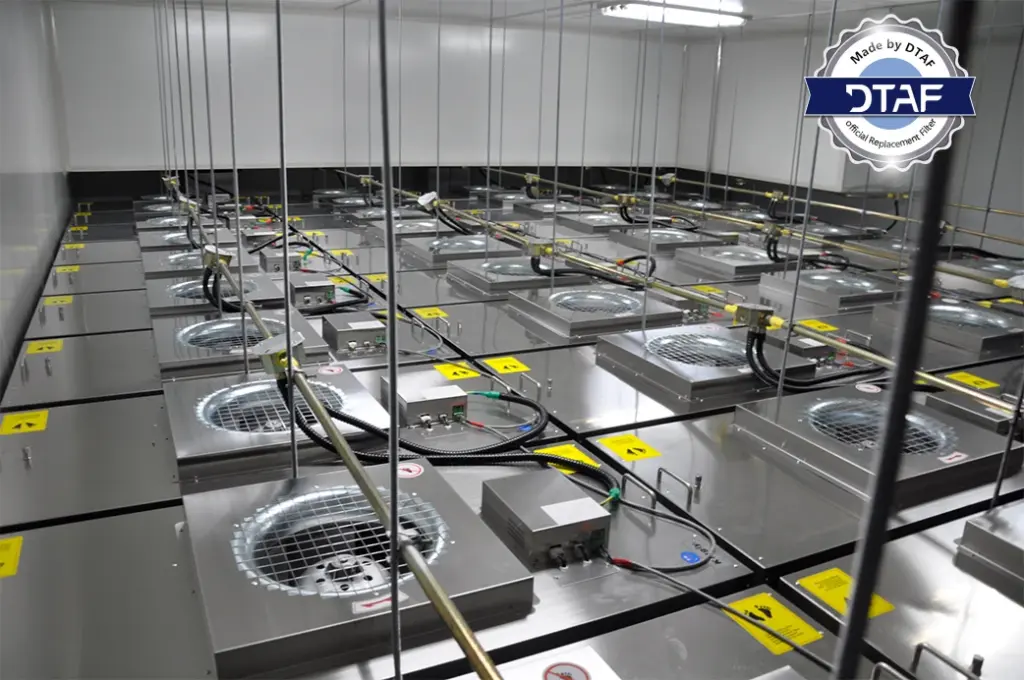
If you need a more detailed explanation of FFU components and applications, consulta la nostra guida a what an FFU is and how FFU systems work.
What Should You Check Before Starting an FFU?
Before switching on an FFU, inspect the installation and confirm that the unit is ready for operation. Always follow the manufacturer’s instructions and the cleanroom commissioning procedure.
Before switching on an FFU, inspect the installation and confirm that the unit is ready for operation. Always follow the manufacturer’s instructions and the cleanroom commissioning procedure.
Check the following items:
- Power supply: Confirm that the voltage, frequency, wiring, and electrical protection match the unit’s specifications.
- Installazione: Ensure the FFU is securely installed and correctly positioned in the ceiling grid or mounting frame.
- Filter condition: Check that the HEPA or ULPA filter is correctly seated and that the sealing arrangement is intact.
- Air inlet: Make sure the inlet is not blocked and that the unit has an adequate air supply.
- Sistema di controllo: Check the controller, speed settings, and any required interlocks before startup.
Size Both Stages Against Your Real Airflow
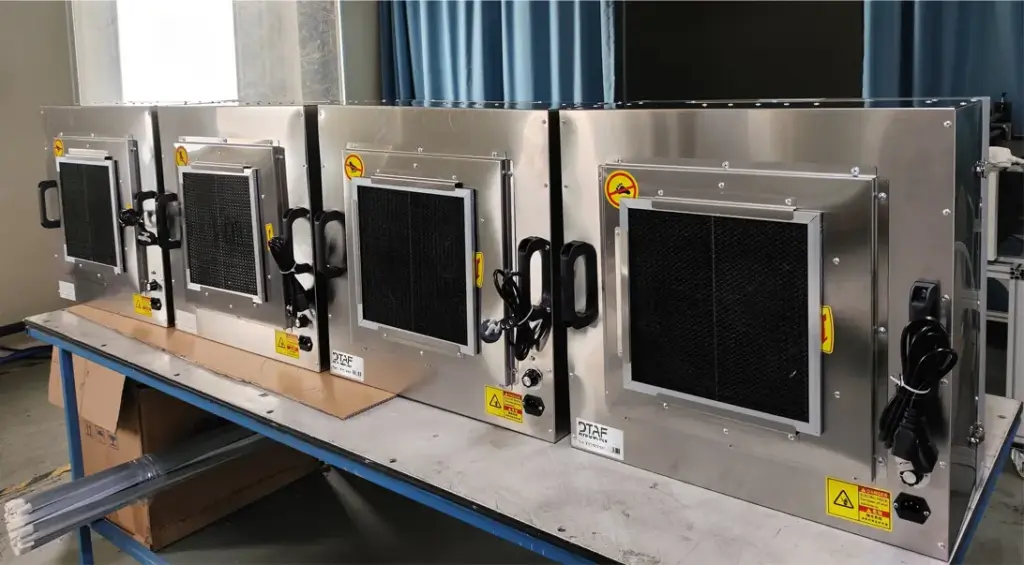
Do not operate a unit with damaged wiring, loose mounting components, or a visibly damaged filter. Electrical inspection and filter integrity testing should be performed by qualified personnel when required.
How to Start and Operate an FFU Step by Step
The exact procedure depends on the FFU model and control system, but the following steps provide a general operating framework.
Fare un passo 1: Switch on the Power Supply
After completing the pre-start checks, energize the unit according to the manufacturer’s instructions. Confirm that the power supply is stable and that no fault indicators appear.
Fare un passo 2: Start the Fan
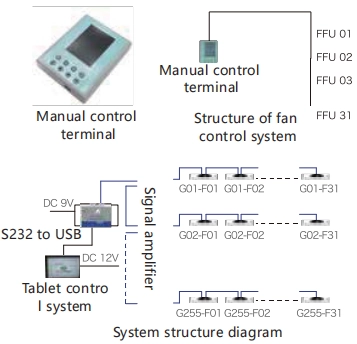
Use the approved controller or control system to start the fan. For units connected to a central control system, follow the specified startup sequence.
Avoid changing wiring or bypassing electrical protections to force the unit to operate.
Fare un passo 3: Adjust the Fan Speed
If the FFU supports adjustable speed, set it according to the cleanroom design requirements. The appropriate setting depends on the required airflow, room pressure relationships, noise limits, and energy targets.
For a comparison of motor technologies, read our article on AC vs. EC FFU systems. It explains how motor selection can affect energy consumption, speed control, and operating costs.
Fare un passo 4: Verify Airflow and Operating Status
Check for unusual noise, vibration, alarms, or unexpected airflow. During commissioning, qualified personnel should verify airflow performance and confirm that the cleanroom meets its specified requirements.
Do not assume that a running fan automatically means the required cleanliness level has been achieved. Airflow measurements, filter integrity testing, and cleanroom qualification may also be necessary.
Common FFU Operating Problems and Troubleshooting
An FFU may run continuously but still fail to deliver the expected airflow. Identifying the symptoms helps determine which checks are needed.
| Problem | Possible cause | Recommended action |
|---|---|---|
| Low airflow | Incorrect speed setting, restricted inlet, loaded filter, or fan problem | Check the controller, inlet, filter pressure drop, and fan condition |
| Unusual noise | Loose mounting, vibration, or motor or fan damage | Inspect mounting components and arrange technical inspection |
| Excessive vibration | Imbalanced fan, loose components, or installation issues | Stop the unit if unsafe and have qualified personnel inspect it |
| Controller alarm | Electrical fault, motor fault, or communication issue | Check the alarm code and follow the manufacturer’s troubleshooting instructions |
| Airflow changes over time | Filter loading, control changes, or unstable air supply | Review operating records and measure airflow and pressure drop |
These are possible causes rather than definitive diagnoses. Always isolate the power before carrying out physical inspections, and do not open electrical compartments unless qualified to do so.
When Should You Inspect or Replace an FFU HEPA Filter?
The HEPA filter is critical to an FFU’s filtration performance. Over time, accumulated particles may increase pressure drop and affect airflow, but replacement should not be based on operating hours alone.
Filter maintenance should consider:
- Pressure drop across the filter compared with the manufacturer’s recommended limits.
- Airflow performance and changes in fan speed required to maintain the target.
- Filter integrity test results and any evidence of leakage.
- The cleanroom’s operating conditions and maintenance requirements.
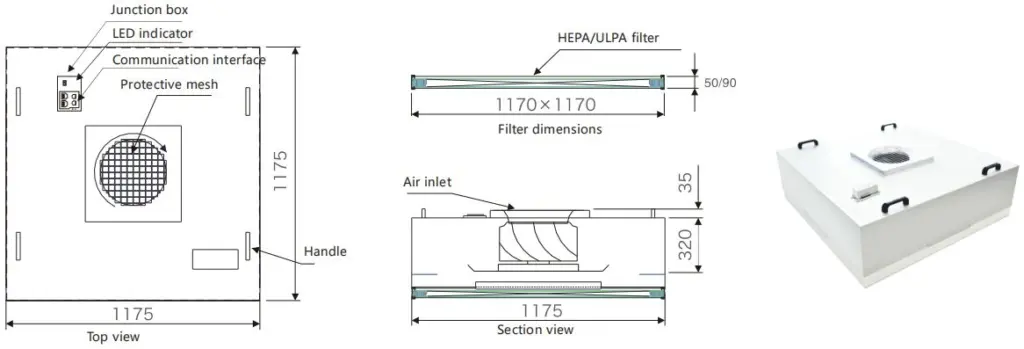
When replacement is necessary, select a filter with compatible dimensions, efficienza, disegno di tenuta, e condizioni operative. After installation, perform the required checks and integrity testing before returning the unit to service.
For cleanroom applications, you can also explore our [HEPA filter products — insert the relevant DTAF product page link here] to review available filtration solutions.
How Much Does an FFU Cost to Operate?
FFU operating costs depend on more than the initial purchase price. Electricity consumption, operating hours, motor efficiency, filter replacement, and maintenance all contribute to the total cost of ownership.
Per esempio, an FFU that operates for long periods may benefit from an energy-efficient motor and suitable speed control. Tuttavia, reducing fan speed should never compromise the airflow or cleanliness requirements established for the facility.
If you are comparing units for a new project, Nostro FFU price guide explains the factors that can influence purchasing costs.
Frequently Asked Questions About FFU Operation
Should an FFU run continuously?
Some cleanrooms require continuous operation, while others use defined operating schedules. The correct approach depends on the cleanliness classification, process requirements, pressure control strategy, and facility procedures.
Can I adjust FFU speed whenever I want?
Not without considering the system requirements. Changes to fan speed can affect airflow, room pressure, and cleanroom performance. Adjustments should follow approved operating procedures.
How do I know if an FFU is working correctly?
A running fan is only one indicator. Check alarms, rumore, vibration, airflow measurements, filter condition, and any applicable cleanroom monitoring results.
Looking for FFUs or HEPA filters for your cleanroom project? Visit DTAF to explore our air filtration products and find a solution for your application.