If you are looking for a fan filter unit (ФФУ) for a cleanroom, one of the first questions is simple: how much does an FFU cost?
The answer depends on more than the size of the unit or whether it uses a HEPA filter. Housing material, sheet thickness, fan and motor, filter construction, airflow, controls, and order quantity can all affect the final price.
For this reason, two FFUs that look similar on paper may have noticeably different prices.
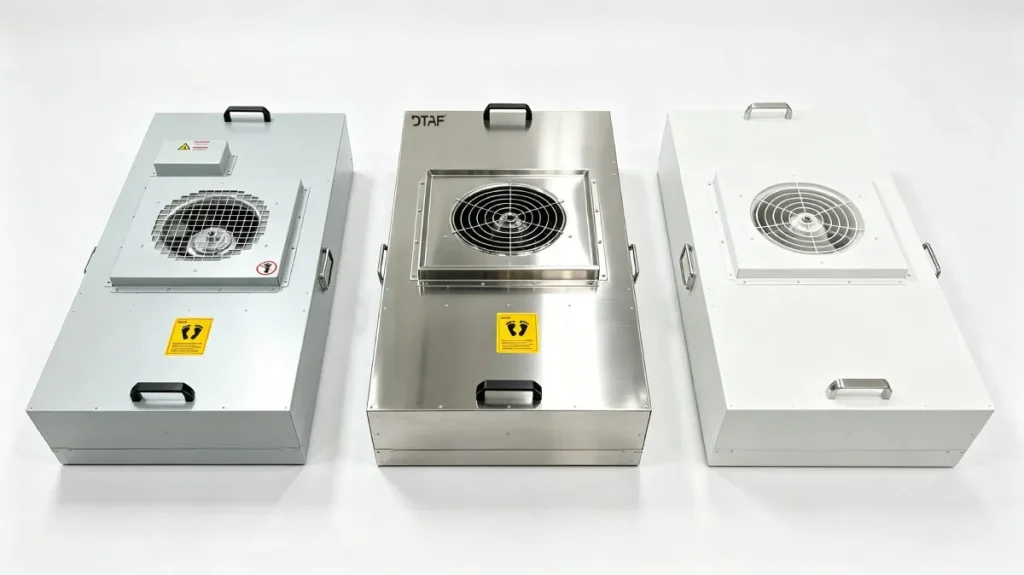
How Much Does a Fan Filter Unit Cost?
There is no single standard FFU price because different projects require different configurations.
For reference, the following are prices for several specific FFU configurations, before shipping:
These figures should be treated as reference prices for the specific configurations shown, rather than a universal market price for all FFUs.
A larger unit, stainless steel housing, higher-efficiency motor, upgraded filter, advanced controls, or additional testing requirements can all increase the cost.
Get Certified OEM/ODM FFU From MOQ 1
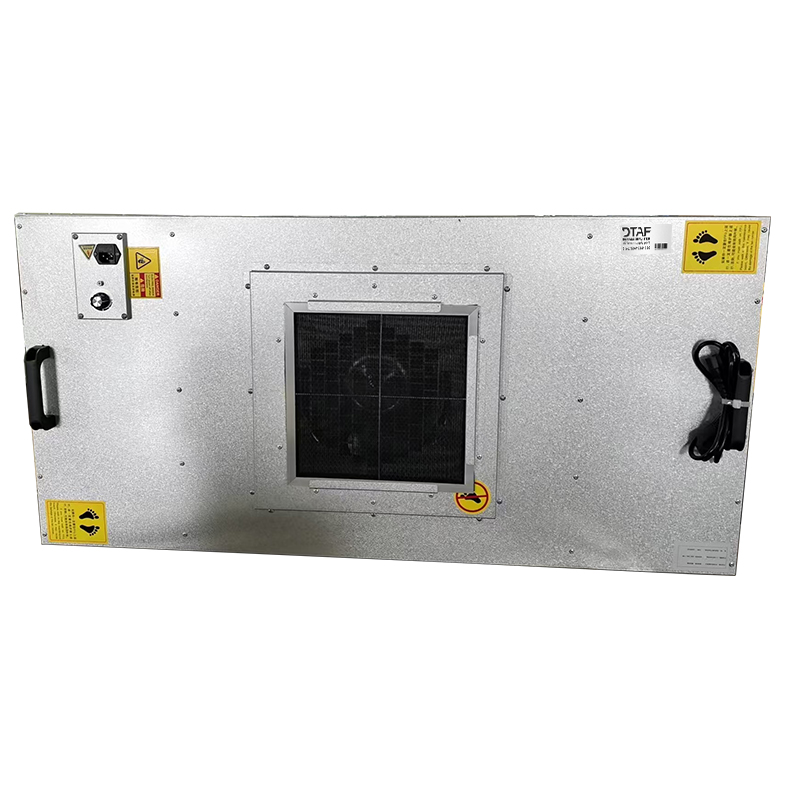
What Factors Affect Fan Filter Unit Price?
1. Size, Airflow and Static Pressure
FFU size is one of the most obvious price factors, but it is not the only one.
The required airflow and static pressure also determine the fan and motor specification. An FFU designed to maintain higher airflow against greater filter resistance may require a different fan and motor configuration.
Therefore, comparing FFUs only by their dimensions can be misleading.
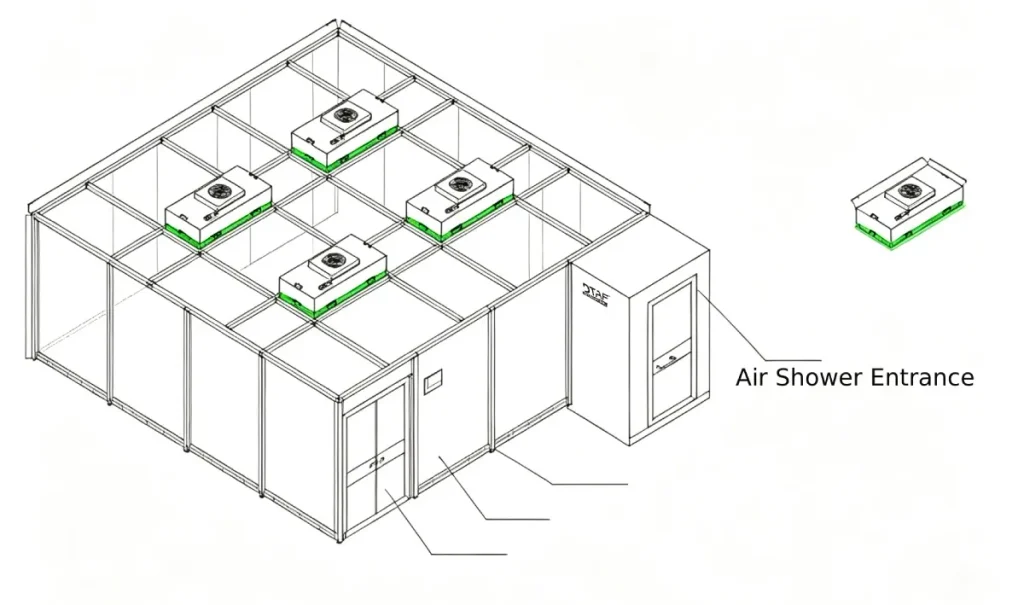
2. Filter Efficiency and Construction
HEPA filter efficiency also affects the price. Н13, H14 and ULPA filters have different performance requirements.
However, H14 is a filter efficiency grade, not a complete description of filter quality.
Filter media, pleat construction, frame material, gasket, sealing, pressure drop and testing requirements can also affect the overall cost.
3. Housing Material and Sheet Thickness
This is an area that is easy to overlook when comparing quotations.
Two suppliers may both describe their product as a “galvanized steel FFU,” but the actual construction can be different.
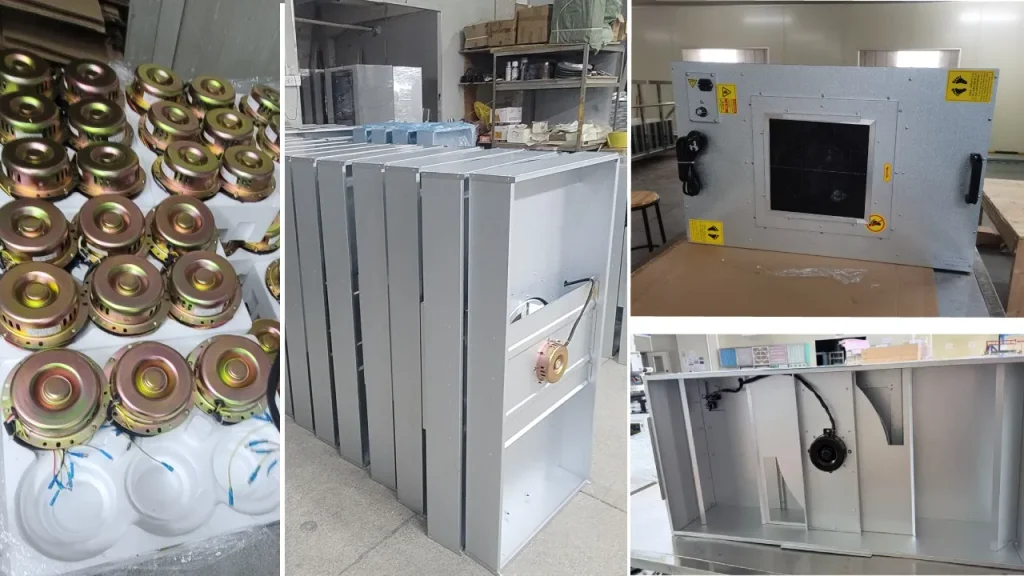
For example, galvanized steel sheet thickness may be 0.8 mm or 1.0 mm, which affects material consumption, weight and construction.
Stainless steel housing will normally add another level of material cost.
4. Fan Impeller and Motor
The fan assembly is another hidden factor behind FFU pricing.
Depending on the manufacturer and configuration, an FFU may use different impeller materials, such as plastic or aluminum, as well as different motor technologies such as AC or EC motors.
Motor efficiency, bearing quality, fan balancing, noise and vibration performance can also contribute to the difference in cost.
This is why two FFUs with similar external dimensions and filter efficiency may still have different prices.
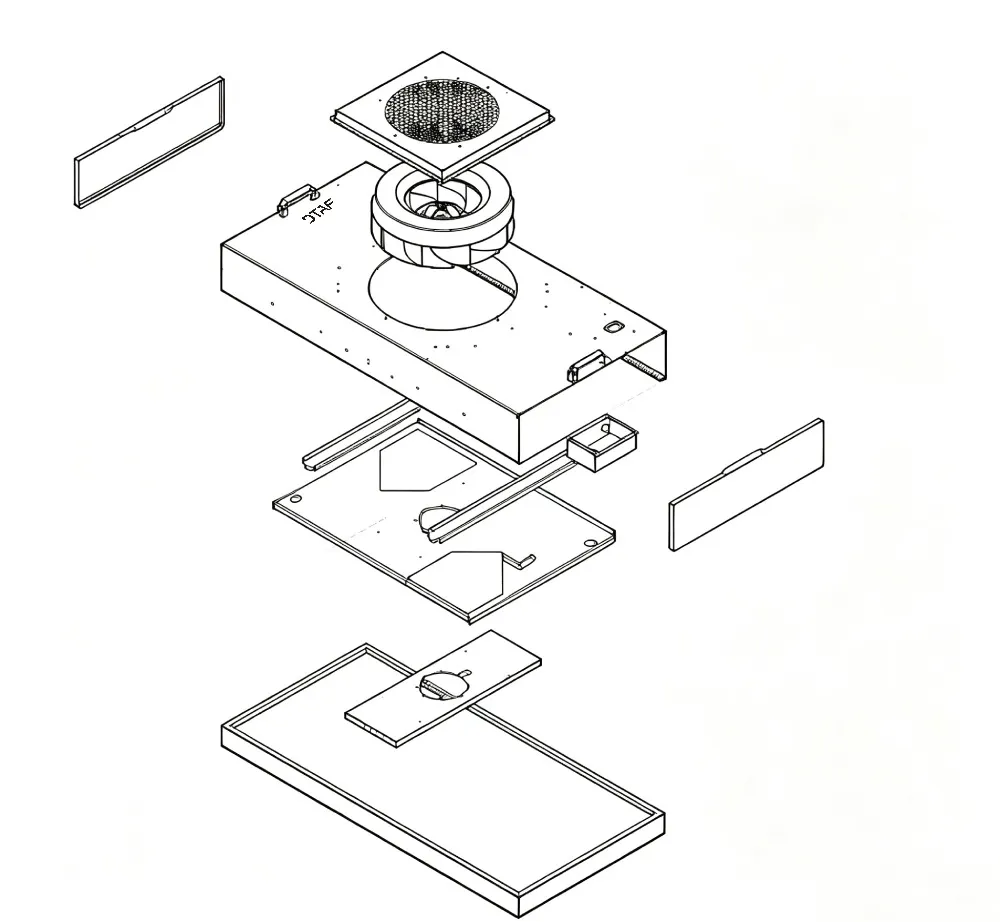
Why Can Similar FFUs Have Different Prices?
When comparing FFU quotations, it is important to look beyond the headline specifications.
For example, one supplier may offer a lower-cost configuration with standard materials and basic controls, while another may use thicker sheet metal, an aluminum impeller, a higher-efficiency motor, upgraded sealing, or additional testing.
Neither price should be evaluated by the number alone. The key question is:
What exactly is included in the quoted price?
A $150 FFU and a $400 FFU may not be directly comparable if their airflow, filter, motor, materials and control systems are different.
View the comparison introduction between Standard FFU and Higher Spec FFU
How to Compare Fan Filter Unit Prices
Before requesting an FFU quotation, it is useful to specify the main requirements:
Providing the same specifications to different suppliers makes the quotations much easier to compare.
Instead of asking only “What is your FFU price?”, ask for a price based on the same configuration.
Get an FFU Price Based on Your Configuration
The most useful FFU price is not simply the lowest quotation. It is a quotation that clearly matches your required configuration and application.
DTAF supplies FFUs in different configurations, allowing customers to select the appropriate balance between price, materials and performance for their cleanroom requirements.
If you are comparing FFU suppliers, you can [learn more about ДТАФ cleanroom air filtration solutions] and contact the team with your required size, airflow, filter and material specifications.