Перейти к содержимому

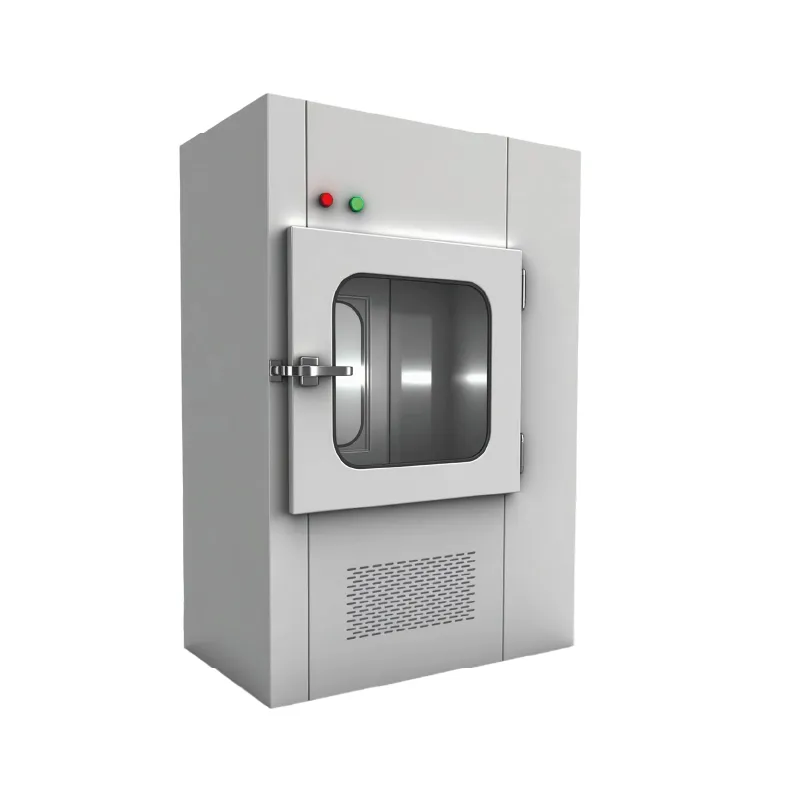
Every time a cleanroom door swings open, the pressure cascade and the cleanliness class it protects are put at risk. А pass box HEPA filter chamber gives materials a way across that boundary without a door ever opening into the wrong room.
This guide explains how filtered pass boxes work, where dynamic units earn their premium over static ones, and which specifications decide whether the box actually protects the room. It closes with the maintenance loop that keeps the filtration valid for years.
What Is a HEPA-Filtered Cleanroom Pass Box?
A pass box is the smallest airlock a facility can build, and the busiest opening it operates.
What is the purpose of a pass box? A pass box transfers materials between a cleanroom and an adjacent area without opening the cleanroom door, which protects the pressure cascade and the cleanliness class. It is the smallest airlock a facility can build, and it pays for itself in avoided gowning cycles. Chambers are built from painted or stainless steel with interlocked doors on both faces and a shelf or chamber between them.
Where Units Fit in the Facility
Pass boxes sit in walls between grading zones, at goods entrances, and between a packaging area and a filling suite. The wall depth defines the chamber, so units are specified against the wall build rather than bought off a catalogue page alone. Our own clean transfer window covers the standard wall thickness range in stainless execution.
The Types on the Market
What are the different types of pass boxes? The main types are static pass boxes, which rely on interlocked doors and the room pressure alone, and dynamic pass boxes, which add their own HEPA filtration and fan loop. Options such as UV lamps, roller shelves, and stainless finishes complete the range. Choosing between them is the first decision, and the next section takes it apart.
How HEPA Filtration Works in Pass Boxes
A dynamic pass box is a tiny recirculation system that cleans the load instead of the room.
Inside a dynamic unit, a small fan draws chamber air through a prefilter and a HEPA filter and returns it across the materials on the shelf. The loop runs continuously or on a cycle tied to the door interlock, so every transfer window includes a self cleaning interval. Air volume is small, but the loop is effective because the chamber volume is smaller still.
The Filtration Loop Step by Step
Air leaves the chamber near the shelf, passes the prefilter that catches fibers and packaging debris, and crosses the HEPA media before re-entering the chamber as filtered flow. Because the same air cycles repeatedly, the particle concentration in the chamber falls exponentially during each hold period. Designers size the loop so that a standard interlock delay delivers a meaningful number of air changes in the chamber.
What the Loop Does and Does Not Do
The loop cleans air, not surfaces, so heavily soiled packaging still needs a wipe before transfer. It also does not replace the room pressure cascade, because the chamber connects to both rooms through the doors. The filtered loop is a third layer that reduces what arrives with the material, while doors and pressure do the boundary work.
Static vs. Dynamic Pass Boxes with HEPA Filtration

The static box manages the boundary, and the dynamic box cleans the cargo.
What are the key differences between a static passbox and a dynamic passbox? A static pass box moves materials through interlocked doors only, while a dynamic pass box actively filters the air inside its chamber with a HEPA filter and fan. Dynamic units are chosen for transfers into lower tolerance rooms, because the chamber itself is clean rather than merely neutral.
How the Static Design Works
How does a static pass box work? A static pass box works by door discipline alone, since the interlock guarantees that only one door is open at a time. Cleanliness comes from the pressure difference between the two rooms and from wiping the materials before transfer, with no mechanical air treatment inside. It remains the right choice where the transferred load is already clean or wrapped.
What the Dynamic Version Adds
What is the purpose of a dynamic pass box? A dynamic pass box exists to move materials into a controlled room without importing the dust on them or disturbing the room pressure. The filtered loop inside scrubs the load on packaging surfaces during the interlock delay, which is time a static box simply wastes. Facilities serving Grade B rooms or sensitive filling lines usually specify dynamic units for exactly this reason.
HEPA Filter Placement and Airflow Design
In a chamber this small, airflow design is mostly about consistency across a very short distance.
The HEPA filter in a dynamic box sits above or beside the chamber, with air distributed through a perforated back panel or ceiling plate so the flow crosses the shelf evenly. Because the chamber holds less than a cubic meter, uniformity matters more than raw volume. A dead corner in the chamber is a particle reservoir that the loop never reaches.
Pressure Relationship to the Rooms
What is the differential pressure limit of a dynamic pass box? Dynamic pass boxes are usually specified to hold their chamber slightly negative or positive against the rooms by around 5 к 15 pascals, matching the local pressure cascade design. The exact limit is set by the facility GMP or ISO plan rather than by the box itself. Gauges or alarm points are fitted where the cascade must be demonstrated to auditors. The room classes the box serves are defined by the ISO 14644 family, summarized on the IEST ISO 14644 страница.
Fan and Loop Sizing
The loop is sized for a target number of chamber air changes during the shortest realistic hold. The fan static pressure must hold that rate across the life of the HEPA filter. Filters with low initial resistance give the small fan a long working margin. This is the same fan versus filter logic used in larger equipment, and our article on что такое ФФУ covers it for room scale units.
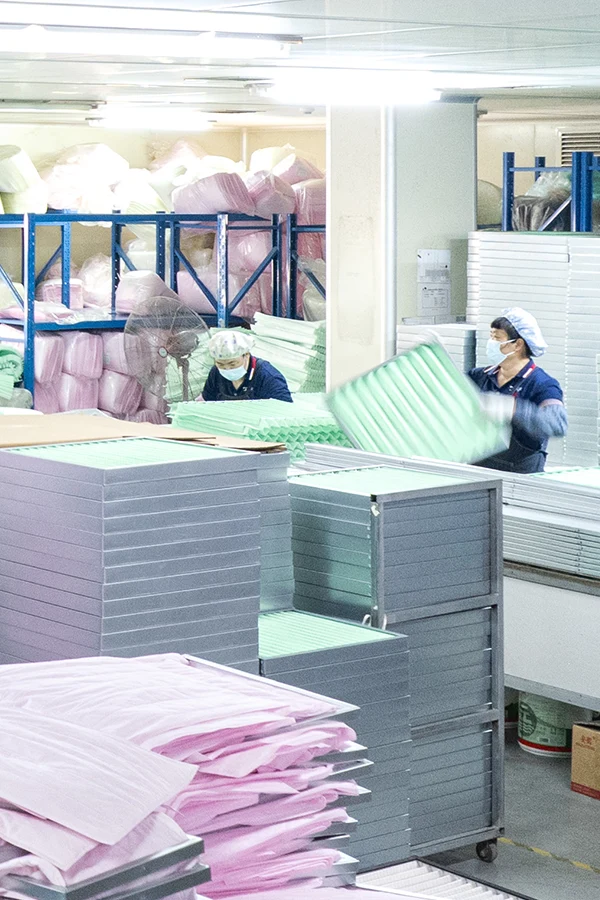
Pass Boxes and Their Filters From One Factory

Key HEPA Filter Specifications for Pass Boxes
Pass box filters are small, but their paperwork is the same size as a room filter’s.
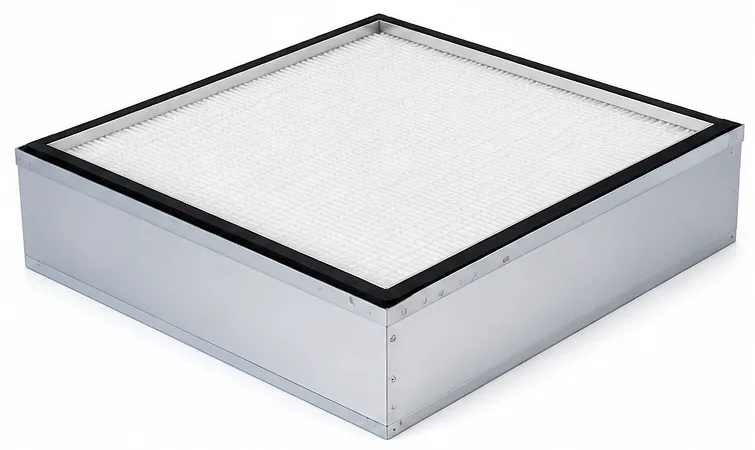
Chamber filters are usually compact panel HEPA units at H13 or H14 grade, sized to the cabinet rather than to a standard frame, and prefiltered with a washable panel. Buyers should ask for the same documentation as for room filters, because a graded suite audits its pass boxes with the same rigor as its ceilings.
Is clean room the same as GMP? A cleanroom is the engineering result, while GMP is the regulatory framework that decides how clean specific operations must be. GMP rules reference cleanliness grades and therefore dictate the filtration a pass box must carry when it serves a graded area. The GMP cleanroom HEPA filter placement requirements also help determine the appropriate filtration setup for different cleanroom grades.
| Спецификация | Dynamic Pass Box Practice | Typical Value |
|---|---|---|
| Filter grade | Chamber air cleanliness | H13 or H14 |
| Prefilter | Protects the HEPA stage | Washable G4 style panel |
| Chamber air changes | Cleaning during hold | Sized to interlock delay |
| Door interlock | Boundary protection | Electrical or mechanical |
| Материал | Cleaning and durability | 304 stainless or painted steel |
Seals, Doors, and Build Quality
Door gaskets take the most wear in a pass box, and the interlock mechanism defines whether a door can ever defeat the pressure cascade. Sealing quality on the filter seat matters less to the room than in a ceiling unit, but it still decides whether the loop actually filters all the air.
Buyers comparing units should open the chamber, look at the gasket faces, and ask for the filter specification in writing. Mid stage filtration choices follow the same logic as larger systems, and our pocket filter selection guide covers how those stages are chosen.
HEPA Filter Maintenance and Replacement in Pass Boxes
Pass box filters age quietly, and the only alarm is the one the facility plans for.
Chamber loops run thousands of hours a year in dusty entry zones, so prefilters load fast and HEPA filters follow. Facilities schedule prefilter washing monthly or quarterly depending on traffic, and HEPA replacement every one to three years or on differential pressure. The exact intervals come from the pressure gauge, not from the calendar alone.
Routine Checks That Keep It Valid
A short monthly routine covers prefilter condition, door gaskets, interlock function, and fan noise. Any weak airflow or whistling door shows up in transfer times before anyone measures it, because staff notice the delay. Recording gauge readings each month turns the pass box into another trend line in the facility file.
Replacement and Recommissioning
Filter replacement in a dynamic box is a chamber-side job with no containment baggage, so it is closer to servicing an appliance than a cleanroom ceiling. The new filter needs the same grade and resistance as the old one to keep the fan within its curve. After replacement, a chamber particle check or airflow verification confirms the loop before the box returns to service.
FAQ About HEPA-Filtered Pass Boxes
What is the purpose of a pass box?
A pass box transfers materials between a cleanroom and an adjacent area without opening the cleanroom door, which protects the pressure cascade and the cleanliness class. It is the smallest airlock a facility can build, and it pays for itself in avoided gowning cycles.
What are the different types of pass boxes?
The main types are static pass boxes, which rely on interlocked doors and the room pressure alone, and dynamic pass boxes, which add their own HEPA filtration and fan loop. Options such as UV lamps, roller shelves, and stainless finishes complete the range.
What are the key differences between a static passbox and a dynamic passbox?
A static pass box moves materials through interlocked doors only, while a dynamic pass box actively filters the air inside its chamber with a HEPA filter and fan. Dynamic units are chosen for transfers into lower tolerance rooms, because the chamber itself is clean rather than merely neutral.
How does a static pass box work?
A static pass box works by door discipline alone, since the interlock guarantees that only one door is open at a time. Cleanliness comes from the pressure difference between the two rooms and from wiping the materials before transfer, with no mechanical air treatment inside.
What is the purpose of a dynamic pass box?
A dynamic pass box exists to move materials into a controlled room without importing the dust on them or disturbing the room pressure. The filtered loop inside scrubs the load on packaging surfaces during the interlock delay, which is time a static box simply wastes.
What is the differential pressure limit of a dynamic pass box?
Dynamic pass boxes are usually specified to hold their chamber slightly negative or positive against the rooms by around 5 к 15 pascals, matching the local pressure cascade design. The exact limit is set by the facility GMP or ISO plan rather than by the box itself.
Is clean room the same as GMP?
A cleanroom is the engineering result, while GMP is the regulatory framework that decides how clean specific operations must be. GMP rules reference cleanliness grades and therefore dictate the filtration a pass box must carry when it serves a graded area.
Заключение
Pass box filtration succeeds when the type matches the transfer: static boxes for clean, wrapped loads, and dynamic boxes with HEPA loops where cargo arrives dusty or the room demands it. The filter, the fan margin, and the interlock delay work together as one small system that protects the pressure cascade every hour of the day.
Specify the box against the wall and the grading plan, buy filters with the same documentation as room units, and trend the gauge readings. That discipline turns the busiest opening in the facility into one of its quietest risks.