A well-designed ventilation system is important for any public building, but it becomes particularly valuable in an art museum where visitor numbers can change significantly throughout the year. During weekends, public holidays, and special exhibitions, higher visitor traffic creates greater demand for air circulation and indoor air quality management.
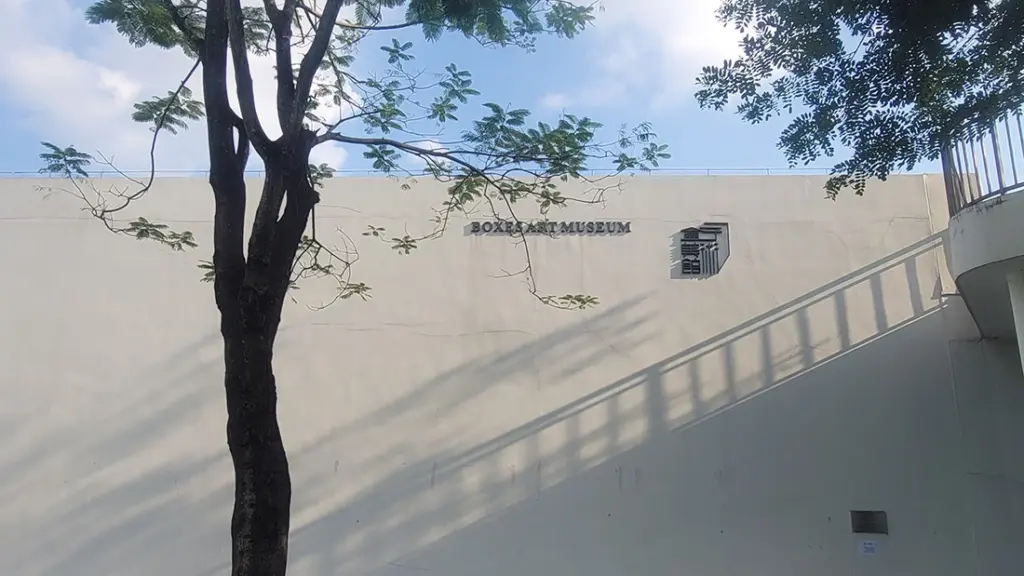
This project was completed for the OCT Boxes Art Museum in Shunde, Foshan, 광동, 중국. The ventilation system uses a three-stage air filtration arrangement consisting of a nylon mesh pre-filter, F5 bag filter, and HEPA filter to help reduce airborne dust and fine particles while supporting continuous air circulation.
Project Overview
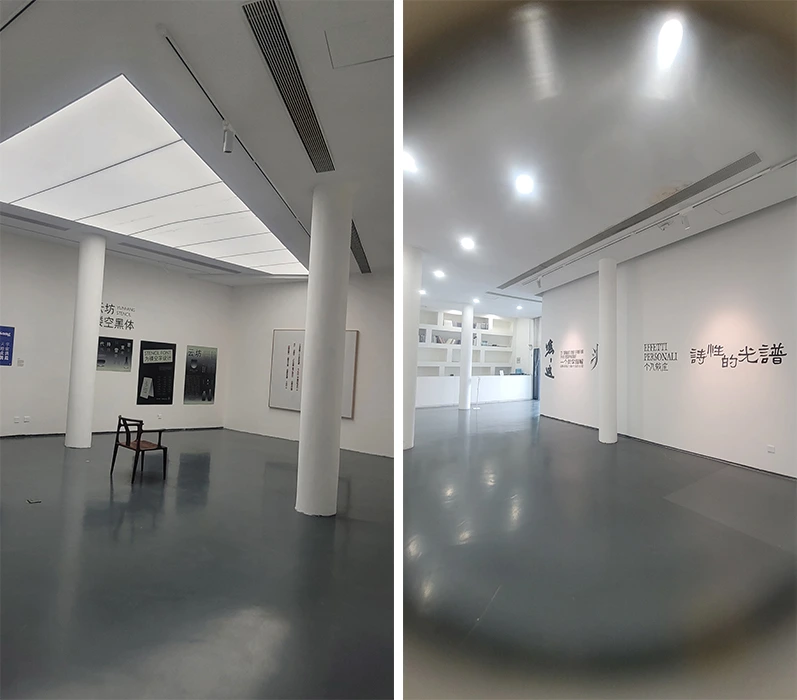
The OCT Boxes Art Museum is a cultural and exhibition space in Shunde, Foshan. Like many public cultural facilities, the museum needs to provide a comfortable indoor environment for visitors while maintaining suitable conditions for its daily operation.
The requirement for this project was not simply to introduce air into the building. The ventilation system also needed to help maintain air cleanliness and reduce airborne dust, particularly when the number of visitors increased.
| Project Item | Details |
|---|---|
| Project | OCT Boxes Art Museum |
| Location | Shunde, Foshan, 광동, 중국 |
| 애플리케이션 | Museum Ventilation & Air Filtration |
| Building Type | Art Museum / Cultural Facility |
| Main Requirements | Air circulation, dust control and indoor air quality |
| Filtration System | Nylon Mesh Pre-Filter + F5 Bag Filter + HEPA Filter |
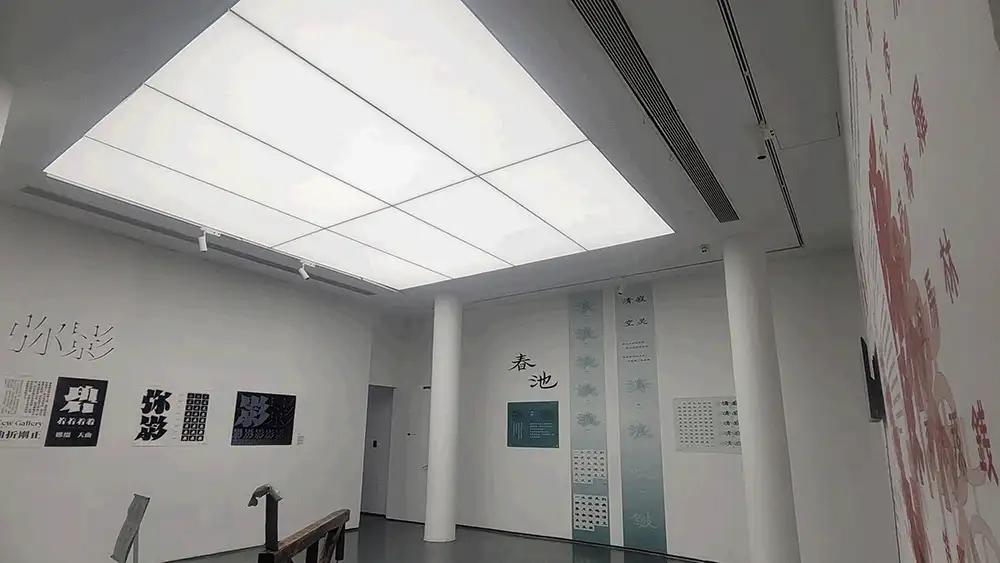
The Challenge: Maintaining Air Quality During Busy Periods
Visitor traffic in an art museum is not always constant. On regular days, the number of visitors may be relatively moderate. During weekends, public holidays, and special exhibitions, however, significantly more people may enter the museum within a short period.
Higher occupancy places additional demands on the ventilation system. At the same time, visitors and normal indoor activities can contribute to airborne particles and dust.
For this reason, effective ventilation needs to work together with air filtration. The objective is to keep air moving through the building while reducing unwanted particles before the air is supplied back into the indoor spaces.
For the Shunde art museum project, maintaining a cleaner indoor environment was therefore an important part of the overall ventilation solution.
A Three-Stage Air Filtration System
The project uses three different filtration stages. Rather than relying on a single filter, each stage performs a specific function within the overall air filtration process.
| Filtration Stage | Filter Type | Main Function | Position in System |
|---|---|---|---|
| Pre-Filtration | Nylon Mesh Filter | Captures larger dust and particles | First stage |
| Intermediate Filtration | F5 Bag Filter | Further reduces airborne particles and dust load | Second stage |
| Final Filtration | HEPA Filter | High-efficiency filtration of fine particles | Final stage |
The filtration sequence can be summarized as:
Nylon Mesh Pre-Filter → F5 Bag Filter → HEPA Filter
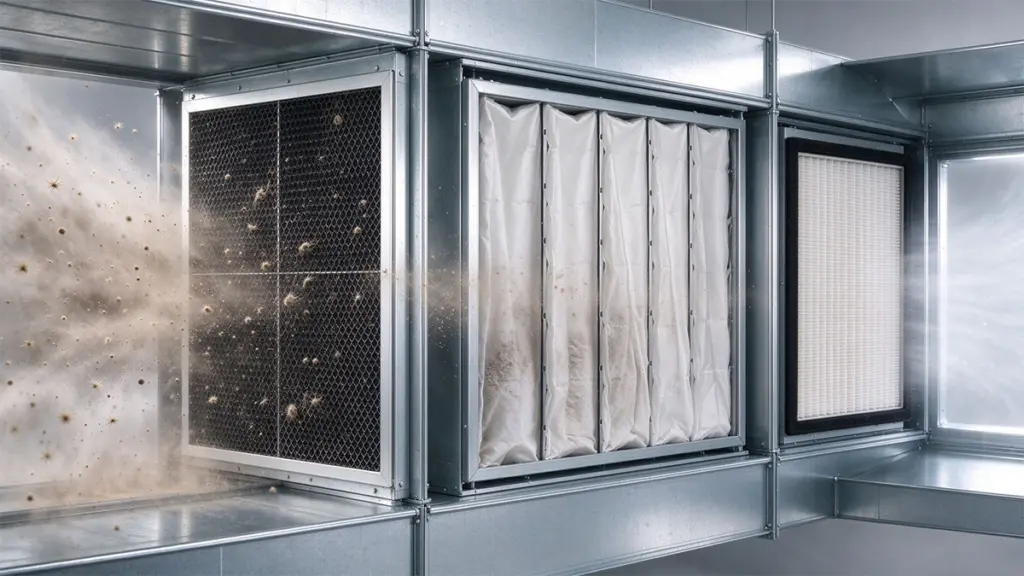
1. Nylon Mesh Pre-Filter
The first stage uses a nylon mesh filter as the pre-filter. This filter is mainly used to capture larger dust particles and airborne debris before the air reaches the finer filtration stages. As the first filtration barrier, it helps reduce the particle load entering the downstream filters.
This is particularly useful in a multi-stage system because the pre-filter takes care of larger particles before the air reaches the F5 bag filter and HEPA filter.
2. F5 Bag Filter
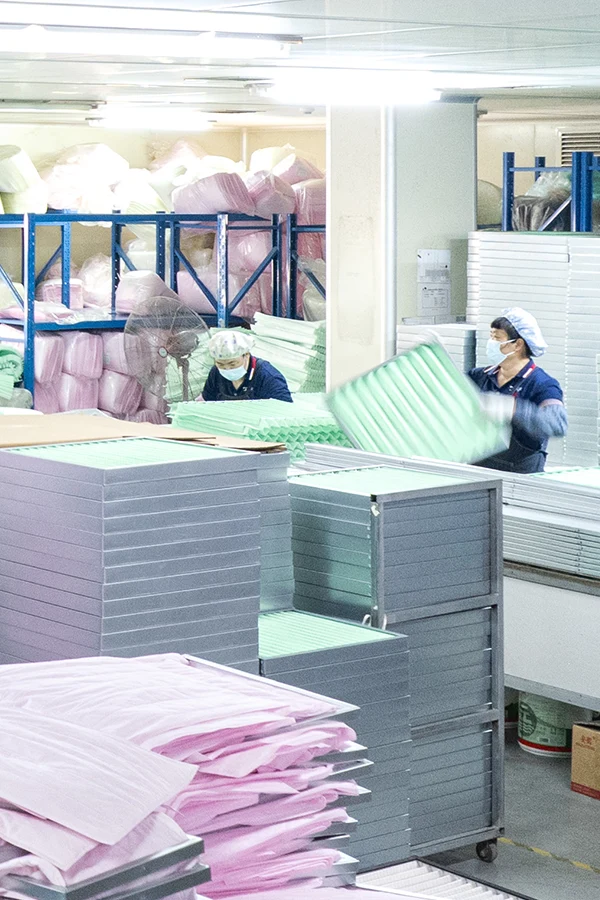
The second stage uses an F5 bag filter. The bag filter provides an additional level of particle filtration and is designed with a larger filtration surface area than many flat panel filters. Its structure allows it to capture more dust while maintaining suitable airflow through the ventilation system.
As an intermediate filtration stage, the F5 bag filter helps reduce the particle load reaching the final HEPA filter.
3. HEPA Filter
The final filtration stage uses a HEPA filter for high-efficiency filtration of fine airborne particles.
HEPA filters are commonly used in applications where a high level of air cleanliness is required. In this museum ventilation system, the HEPA filter serves as the final filtration stage before the treated air is supplied into the indoor environment.
Together, the three filtration stages provide progressive particle removal rather than placing the entire filtration load on a single filter.
Supporting Air Circulation for Visitors and Staff
For a public building such as an art museum, indoor air quality affects more than just the people working there. Visitors may spend considerable time inside exhibition areas, and the number of occupants can increase substantially during holidays.
A properly designed museum ventilation system helps maintain continuous air circulation throughout these changing conditions.
The air filtration system works together with the ventilation equipment to remove dust and airborne particles as air passes through the different filtration stages. This helps create a cleaner indoor environment for both visitors and staff.
Rather than treating ventilation and filtration as two separate functions, integrating them into one system allows the building to manage airflow and air cleanliness together.
Why Multi-Stage Filtration Matters
One important consideration when selecting air filters is that the final filter should not be viewed independently from the rest of the system.
In a multi-stage air filtration system, different filters perform different jobs.
The nylon mesh filter captures larger particles first. The F5 bag filter then provides additional filtration, while the HEPA filter performs the final high-efficiency filtration.
This staged approach helps distribute the filtration workload across the system and reduces the amount of larger dust and particles reaching the finer filtration stages.
For museums, galleries, public buildings, and other facilities where visitor traffic can vary significantly, this approach can provide a practical way to support indoor air quality and cleaner air circulation.
Project Result
The Shunde art museum project is a practical example of how a museum ventilation and air filtration system can be designed around the actual needs of a public cultural facility.
The solution combines:
Nylon Mesh Pre-Filter → F5 Bag Filter → HEPA Filter
From normal daily operation to periods of increased visitor traffic during holidays and special events, the filtration system helps reduce airborne dust and fine particles while supporting continuous air circulation.
For HVAC contractors, facility managers, and air filtration buyers, this project also demonstrates the importance of selecting filters as part of a complete system rather than choosing a filter based only on its size or efficiency rating.
Filter type, 기류, 압력 강하, installation dimensions, maintenance requirements, and the actual application environment should all be considered when developing an air filtration solution.
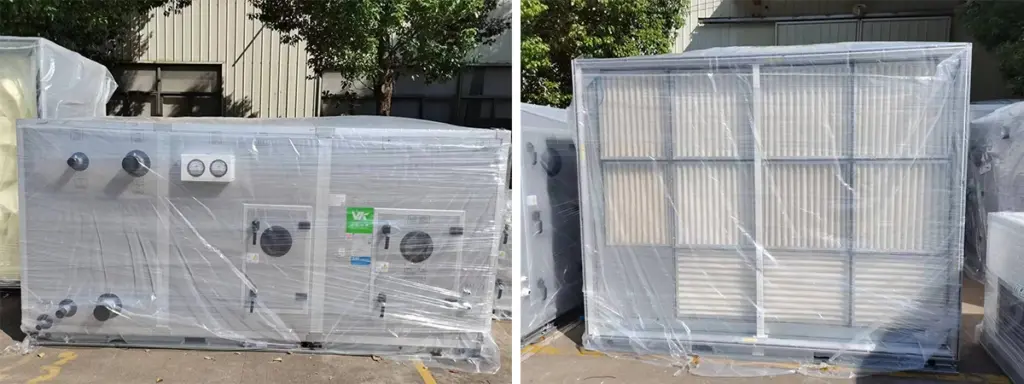
Air Filtration Solutions for Museum and HVAC Projects
If you are working on a museum ventilation system, art gallery HVAC project, commercial building, or other air filtration application, the right combination of filters can make an important difference to overall system performance. We provide air filtration solutions for different HVAC and ventilation applications, including nylon mesh filters, bag filters, and HEPA filters.
If you have filter specifications, equipment requirements, or project drawings, contact us to discuss the appropriate filtration solution for your application.
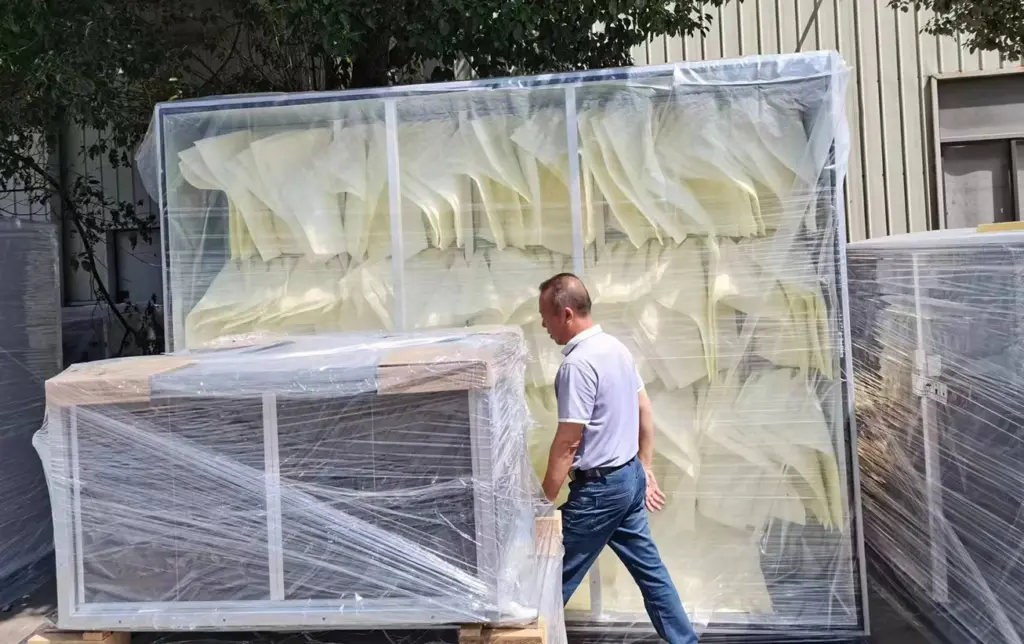
Project Information
| Project Information | Details |
|---|---|
| Project | OCT Boxes Art Museum |
| Location | Shunde, Foshan, 광동, 중국 |
| 애플리케이션 | Museum Ventilation & Air Filtration |
| Filtration System | Nylon Mesh Pre-Filter + F5 Bag Filter + HEPA Filter |
Air Filtration Solutions for Museum and HVAC Projects
This project demonstrates how a multi-stage air filtration system can be integrated into a ventilation system for a public cultural facility.
DTAF provides air filtration solutions for commercial HVAC, ventilation and indoor air quality applications. Depending on the project requirements, different types of air filters can be selected and combined to create a suitable filtration system.
If you are looking for air filters or a customized filtration solution for a museum, commercial building or other HVAC application, DTAF can work with your project requirements to identify a suitable filter configuration.